How a CCTV Drain Survey Supports Your Insurance Claim: A Step-by-Step Guide
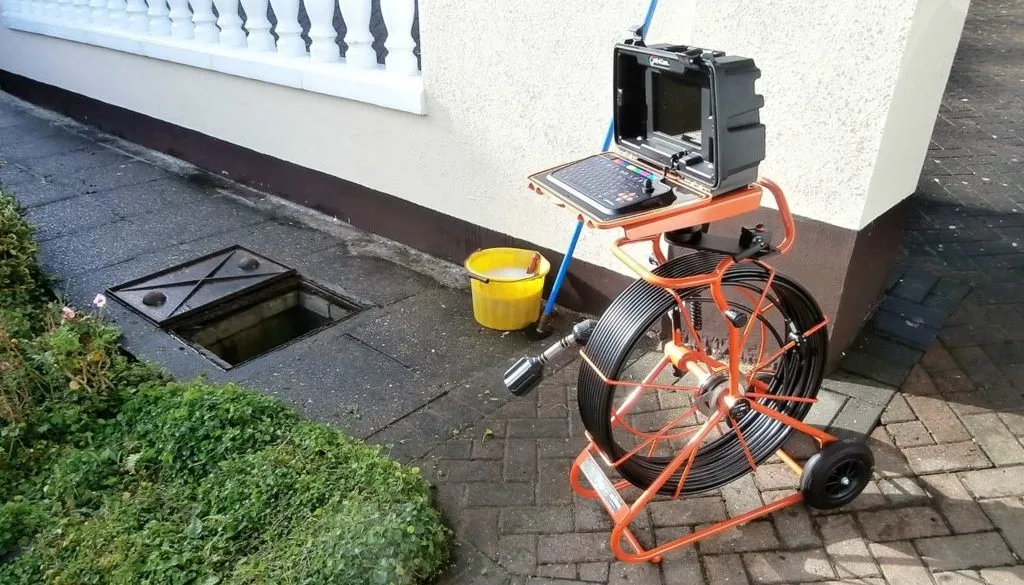
A professionally documented CCTV drain survey is crucial evidence for validating drainage-related insurance claims. We outline the step-by-step process from initial assessment to final report.
Why a CCTV Survey is Essential for Insurance Validation
When submitting a drainage-related insurance claim, insurers require objective, documented proof of the issue's cause and extent. A verbal description or a plumber's initial assessment is often insufficient. A high-definition CCTV drain survey provides this irrefutable evidence. Our engineers record a full-colour, narrated video inspection, creating a permanent record that establishes the condition of the drain, pinpoints the exact location of any defect, and crucially, helps determine whether the cause is covered under your policy, such as ground movement, structural failure, or root intrusion, versus wear and tear.
The Step-by-Step Process: From Inspection to Insurer's Report
The process begins with a thorough access point assessment. Our engineers identify the best entry point for the camera, typically an inspection chamber or an accessible pipe opening. We then insert a flexible, waterproof probe equipped with a high-resolution camera and powerful LED lights into the drain. As the camera travels through the pipe system, we monitor the live feed in real-time from our van, noting any anomalies.
Every metre of the survey is geolocated, and we capture still images and video clips of all defects. This includes cracks, fractures, displaced joints, root ingress, blockages, and collapses. The footage is timestamped and annotated with technical codes that correspond to a standardised defect classification system recognised within the industry. This standardisation adds significant credibility to the report.
Compiling the Definitive Report for Your Claim
Following the on-site survey, our engineers compile a comprehensive report. This document includes a summary of findings, the full video file, annotated still images, and a detailed schematic showing the defect locations on a pipe run diagram. The report explicitly states the nature, severity, and precise location (in metres from the access point) of each issue. It will also often include an assessment of the probable cause, which is the critical element for your insurer. We present the evidence in a clear, factual manner, avoiding speculation and focusing solely on the documented observations. This professional package becomes the cornerstone of your claim submission, dramatically increasing the likelihood of a swift and successful outcome.
It is important to instruct a drainage specialist at the earliest opportunity following a suspected problem. Delaying can allow a situation to worsen, potentially complicating the cause and making it harder to distinguish between a sudden insured event and pre-existing deterioration. Our procedural approach ensures no detail is missed, creating a robust evidential chain from the initial fault to the recommended solution.
Frequently asked questions
Will my insurer accept a CCTV survey report as evidence?
Yes, a professionally produced CCTV survey report from a certified drainage specialist is widely accepted by insurers as primary evidence. It provides the documented, visual proof they require to validate the cause, extent, and location of a drainage fault, which is essential for processing a claim.
What specific details in the report help my claim?
The report helps by definitively identifying the cause (e.g., a structural fracture from ground movement versus general wear), providing exact measurements of the defect's location, and classifying the severity using industry-standard codes. This objectivity removes ambiguity about whether the damage is likely covered under your policy's terms.
When should I commission a survey for an insurance claim?
You should commission a survey as soon as you suspect a serious drainage issue that may be covered, such as a sudden collapse or major blockage from an external cause. Prompt inspection captures the condition before it deteriorates further, providing a clear snapshot of the incident for your insurer and supporting a faster claims process.