A Procedural Guide to Commercial Kitchen Grease Trap Maintenance
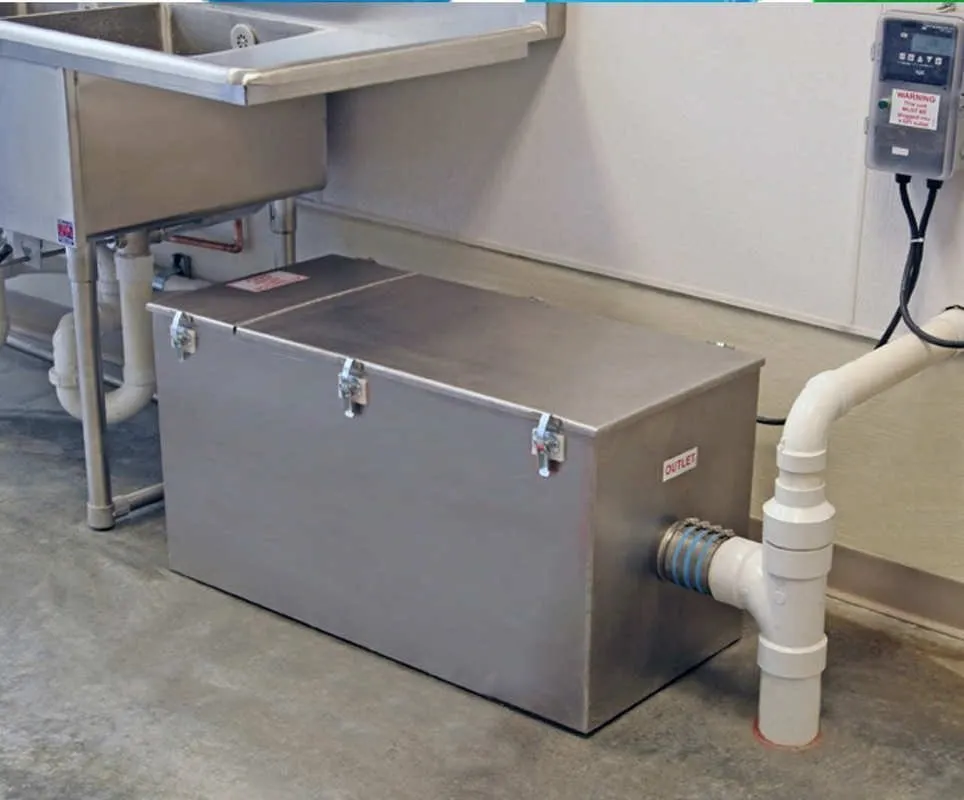
This procedural guide details the evidence-led maintenance and diagnostic inspection required for commercial kitchen grease traps to prevent blockages and compliance issues.
The Role of Diagnostic Documentation in Grease Trap Maintenance
Effective grease trap maintenance is not a reactive task but a procedural, diagnostic-led process. We approach it as a documented cycle of inspection, evidence gathering, and targeted intervention. The primary goal is to prevent the inevitable accumulation of fats, oils, and greases (FOG) from causing a total blockage or sanitary sewer overflow. Our methodology hinges on creating a verifiable record of the trap's condition at each service interval, allowing us to track degradation rates and predict required interventions before an emergency occurs.
The Systematic Maintenance and Inspection Procedure
Our maintenance procedure begins with a full assessment of the installation, noting the make, model, and capacity of the interceptor. We then execute a controlled pump-out, removing all contents for proper disposal at a licensed facility. Crucially, we do not consider the task complete at this stage. The empty trap is then subjected to a thorough internal inspection. Our engineers look for signs of baffle wear, structural cracks, and the residual FOG layer that remains adhered to the walls after pumping. This residual layer is a key diagnostic indicator; its thickness and hardness inform the cleaning frequency required.
Following the manual inspection, we deploy a CCTV drain camera. This provides documented visual evidence of the outlet pipe's condition, verifying that no solidified grease has migrated beyond the trap to form a secondary blockage downstream. The footage is archived with the job report, creating a historical record. The final step is a functional test, running water through the system to confirm flow rates meet design specifications and that the baffles are operating correctly to separate FOG from the effluent.
Interpreting Evidence and Determining Service Frequency
The documented evidence collected dictates the maintenance schedule, not a generic calendar. A kitchen with high-volume frying operations will generate a thicker, harder residual layer faster than one primarily involved in steaming. By measuring and recording this layer over successive visits, we can establish a data-led service interval. Furthermore, CCTV evidence of downstream pipe cleanliness or early grease adherence allows for proactive jetting or corrective action before a total blockage forms. This evidence is also critical for compliance, providing tangible proof to environmental health officers that the system is being managed proactively to prevent sewer misuse.
We advise clients that the minimum legal requirement is typically a full service and waste removal every three months, but our diagnostic approach often reveals the need for more frequent interim checks or de-sludging. Ignoring the diagnostic phase and only performing a pump-out is a false economy; it leaves the residual layer to harden and accelerates blockage formation, while offering no insight into the system's overall health. True maintenance is a cycle of documented action, review, and adjustment based on physical evidence.
Frequently asked questions
What documented evidence should I receive after a grease trap service?
You should receive a detailed report including the volume of waste removed, a condition assessment of the trap's internals (baffles, walls), annotated CCTV footage of the outlet pipe, and a signed waste transfer note for lawful disposal. This documentation proves due diligence for compliance and informs future service planning.
How is the required service frequency determined diagnostically?
Frequency is not arbitrary. It is determined by measuring the rate of FOG accumulation and hardening within the trap, observed over successive documented visits. Kitchen output, the type of cooking, and the condition of the residual layer post-pump-out are the key diagnostic metrics that establish a necessary, evidence-led schedule.
Why is a CCTV survey part of grease trap maintenance?
A CCTV survey provides objective, documented proof of the downstream pipe condition. Grease can solidify beyond the trap, causing blockages that a simple pump-out won't address. The survey evidence allows for targeted jetting if needed and creates a verifiable record that the entire flow path is being managed, not just the interceptor vessel itself.