How Drain Clearance Works: A Technical Guide to Methods Explained
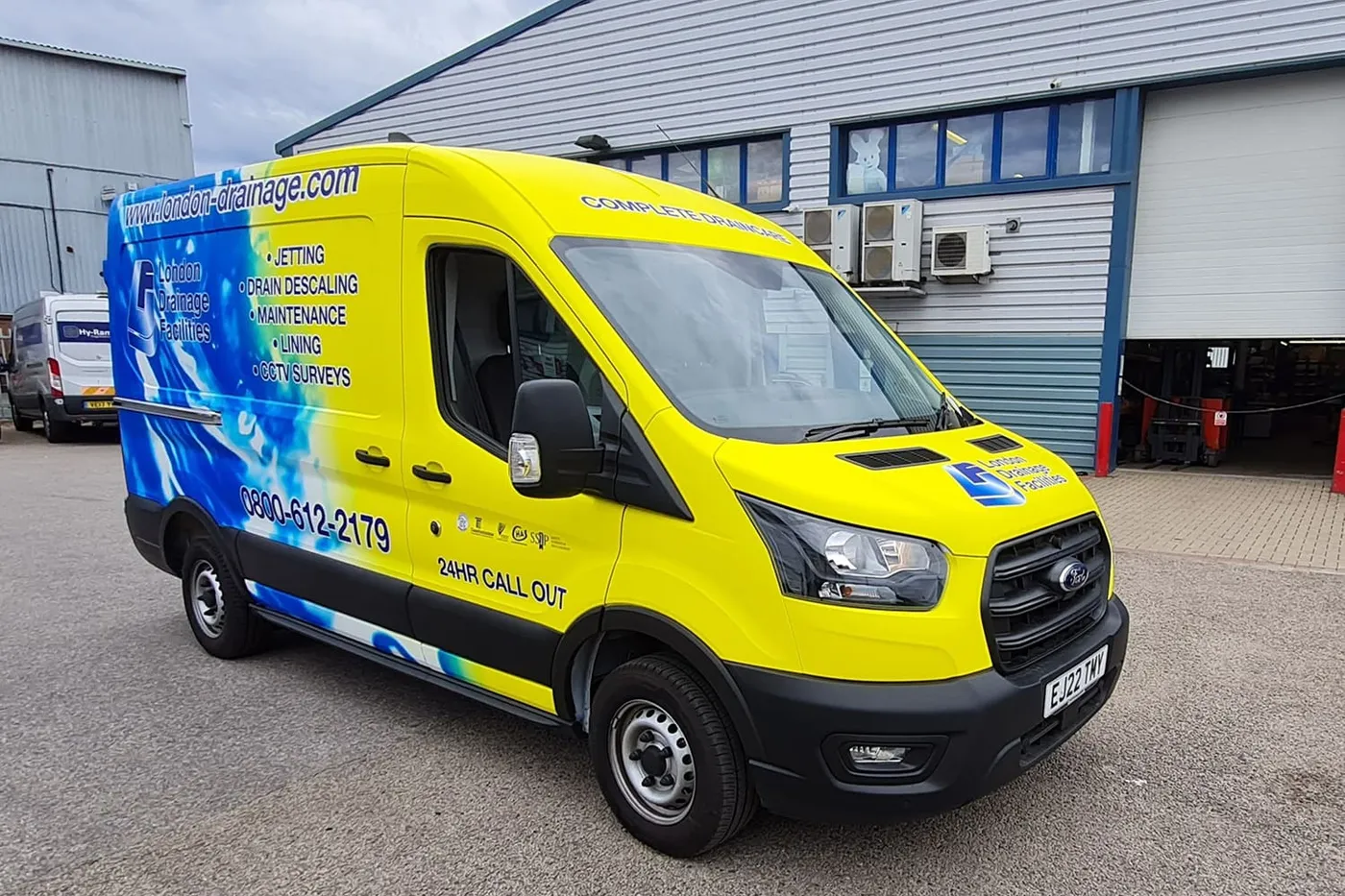
Our engineers detail the core methods of professional drain clearance, explaining how we use CCTV surveys to diagnose blockages and select the most effective clearance technique.
Diagnosis Before Clearance: The CCTV Survey Imperative
Effective drain clearance begins not with the clearance itself, but with precise diagnosis. We do not apply methods at random. Our standard operating procedure mandates a pre-clearance CCTV survey. This allows our engineers to visually document the interior condition of your drains, pinpointing the exact location, nature, and severity of a blockage or restriction. We assess whether the issue is fat, grease, root ingress, a collapsed section, or general debris. This documented evidence forms the basis for our method selection, ensuring the chosen technique is targeted, efficient, and avoids unnecessary disruption to your drainage system.
Core Drain Clearance Methods Explained
Based on the CCTV survey findings, our engineers deploy one or more of the following clearance methods. Each has a specific application suited to different blockage types and pipe conditions.
High-Pressure Water Jetting: This is our primary method for most organic and semi-solid blockages. A specialist pump generates a controlled, high-pressure stream of water, which is directed through a nozzle into the drain. The force of the water cuts through grease, flushes away silt, and breaks down other soft obstructions. Crucially, the jetting action also scours the pipe walls, removing clinging debris and restoring the pipe's internal diameter and flow capacity. The pressure and nozzle type are selected according to the pipe material and blockage composition observed on the CCTV feed.
Mechanical Rodding and Augering: For more compacted or solid obstructions where water jetting alone may be insufficient, we employ mechanical tools. Flexible drain rods, often fitted with specific heads (corkscrews, cutters, or plungers), are manually fed into the drain to physically break apart or retrieve the blockage. For larger or more complex systems, powered drain augers (or 'snakes') provide rotational force to cut through roots or compacted waste. This method is highly tactile, giving the engineer direct feedback on the nature of the obstruction.
Vacuum Excavation (Suction): In cases where a blockage has created a significant sludge or silt deposit, or where debris needs to be removed from an inspection chamber or trapped gully, we utilise high-power vacuum tankers. This method safely and cleanly extracts the waste material for off-site disposal. It is often used in conjunction with jetting, where the loosened material is then immediately vacuumed away, preventing it from being pushed further down the system.
The Procedural Workflow: From Diagnosis to Verification
Our clearance process follows a strict procedural workflow. First, the CCTV survey provides the diagnostic evidence. Next, our engineers select and deploy the appropriate clearance method, continuously monitoring progress—often via the CCTV camera—to ensure complete removal. Finally, and most importantly, we conduct a post-clearance CCTV survey. This verification step provides documented proof that the blockage has been fully cleared and the pipe's integrity has been restored. This final survey also allows us to advise on any underlying issues, such as minor cracks or potential root paths, that could lead to future problems, moving from simple clearance to preventative maintenance.
Frequently asked questions
Why is a CCTV survey necessary before drain clearance?
A CCTV survey is essential for accurate diagnosis. It allows our engineers to visually confirm the exact cause, location, and extent of a blockage. This prevents the use of an incorrect or ineffective clearance method, saving time and potential cost. It provides documented evidence of the problem and forms the basis for our targeted solution.
What is the difference between water jetting and rodding?
Water jetting uses high-pressure water to cut through and flush away blockages like grease and silt, while also cleaning the pipe walls. Mechanical rodding uses flexible rods with tools attached to physically break apart or retrieve more solid, compacted obstructions. The method chosen depends entirely on the blockage type identified during the initial CCTV survey.
Do you check the drain after clearing it?
Yes, a post-clearance CCTV survey is a critical part of our procedure. It verifies that the blockage is completely removed and the pipe's flow is fully restored. This provides you with documented proof of the work's effectiveness and allows our engineers to assess the overall pipe condition for any other advisory issues.