How Long Does Drain Relining Take? A CCTV-Led Procedural Breakdown
The duration of a drain relining project is dictated by the diagnostic findings from our CCTV survey. We outline the procedural stages and typical timeframes involved.
The Timeline Is Defined by Diagnostic Evidence
When clients ask how long drain relining takes, our answer is always procedural and evidence-led. We cannot provide a generic timeframe without first conducting a comprehensive CCTV drain survey. The entire project schedule is contingent upon the precise condition, location, and configuration of the pipework as revealed by our diagnostic cameras. Our approach prioritises accurate documentation over speed, ensuring the solution is correctly engineered for the specific defect.
Stage 1: Diagnostic CCTV Survey & Report
This is the foundational stage that dictates all subsequent work. Our engineers deploy a push-rod or crawler CCTV camera into the drain to record a full-color, high-definition video inspection. We map the entire run, identifying the exact location, nature, and extent of the damage—be it cracks, fractures, root ingress, or misaligned joints. This survey generates a detailed report with timestamped footage and photographic evidence. This stage typically requires a single site visit and allows us to determine the exact liner specifications required. No relining work is scheduled until this diagnostic evidence is thoroughly reviewed.
Stage 2: Preparation & Liner Installation
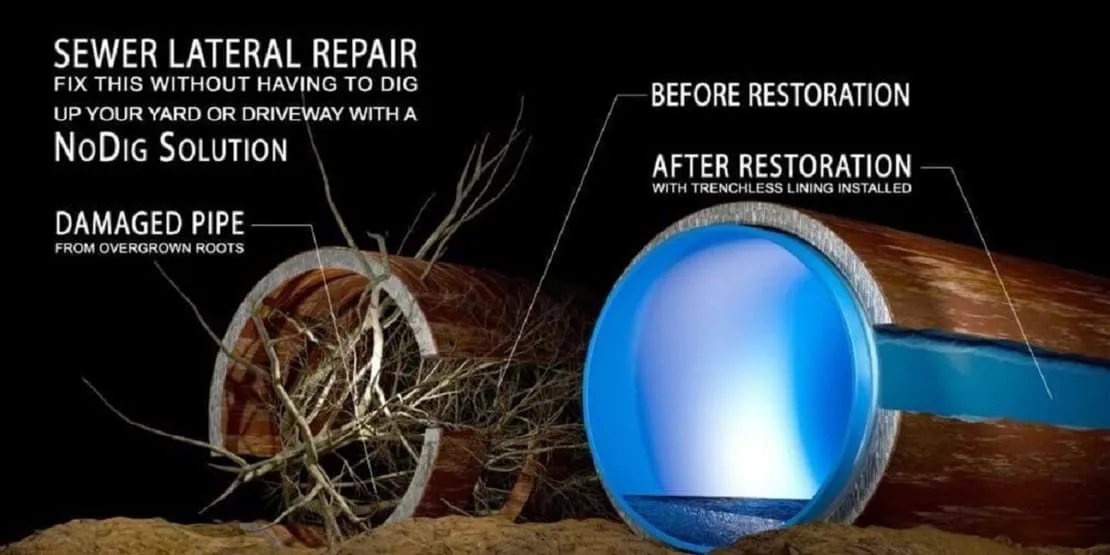
Once the survey report is approved, we schedule the installation. On site, our first task is to prepare the existing pipe. This involves high-pressure water jetting to remove any debris, scale, or obstructions, ensuring a clean surface for the liner to bond to. We then measure and cut the resin-impregnated felt liner to the exact length determined by the CCTV survey. The liner is inverted or pulled into place through an existing access point, using air or water pressure to expand it tightly against the host pipe's walls. The resin then cures, forming a new, jointless pipe-within-a-pipe. The duration of this on-site installation varies with the length and complexity of the run but is a controlled, methodical process.
Stage 3: Post-Relining Inspection & Documentation
Our work is not complete once the resin has cured. A critical final step is a post-installation CCTV survey. We re-inspect the entire relined section with our cameras to document the integrity of the new pipe, check for full adherence, and confirm a smooth internal bore. This provides verifiable proof of work and creates a new baseline record for the asset. We supply this aftercare footage alongside the original survey, completing the documented history of the repair. This closed-loop process from diagnosis to verification is central to our technical credibility.
Factors Influencing the Project Duration
While we avoid speculative timelines, several factors influence the overall schedule. These include the accessibility of the drain (e.g., depth, location), the linear footage being relined, the necessity for pre-repair cleaning, and the specific curing time of the resin system used, which is a chemical process with a defined window. Complex layouts with multiple bends or connections may require segmented lining, which adds procedural steps. Crucially, any unforeseen complications revealed by the initial CCTV survey—such as severe collapse requiring partial excavation—would necessitate a revised plan and timeline, which we would communicate immediately with documented evidence.
In summary, a standard, straightforward relining project for a residential drain can often be completed within a day following the diagnostic survey. However, we emphasise that this efficiency is a product of our meticulous, survey-first methodology. The time invested in precise diagnosis and documentation ensures the relining procedure itself is targeted, effective, and delivers a long-term solution with a verifiable audit trail.
Frequently asked questions
Can you give an exact time for relining before doing a survey?
No, we cannot provide a reliable timeframe without a CCTV survey. Proposing a duration before seeing the diagnostic evidence would be speculative and contrary to our procedural standards. The survey dictates the exact scope, materials, and methodology, which in turn define the schedule.
Does the relining process itself take a long time on site?
The physical installation and curing process is typically efficient, often completed within a single day for standard sections. The resin curing is a chemical process with a set duration. However, the total project timeline includes the essential pre- and post-installation CCTV surveys, which are non-negotiable parts of our documented, credible process.
Will you provide proof that the relining was successful?
Absolutely. We provide documented evidence at every stage. This includes the initial CCTV survey report, and a mandatory post-installation CCTV survey. This final video verification confirms the liner has installed correctly, providing you with a verifiable record of the new pipe's condition and the success of the work.