How to Choose a Drainage Company in London: A Technical Guide
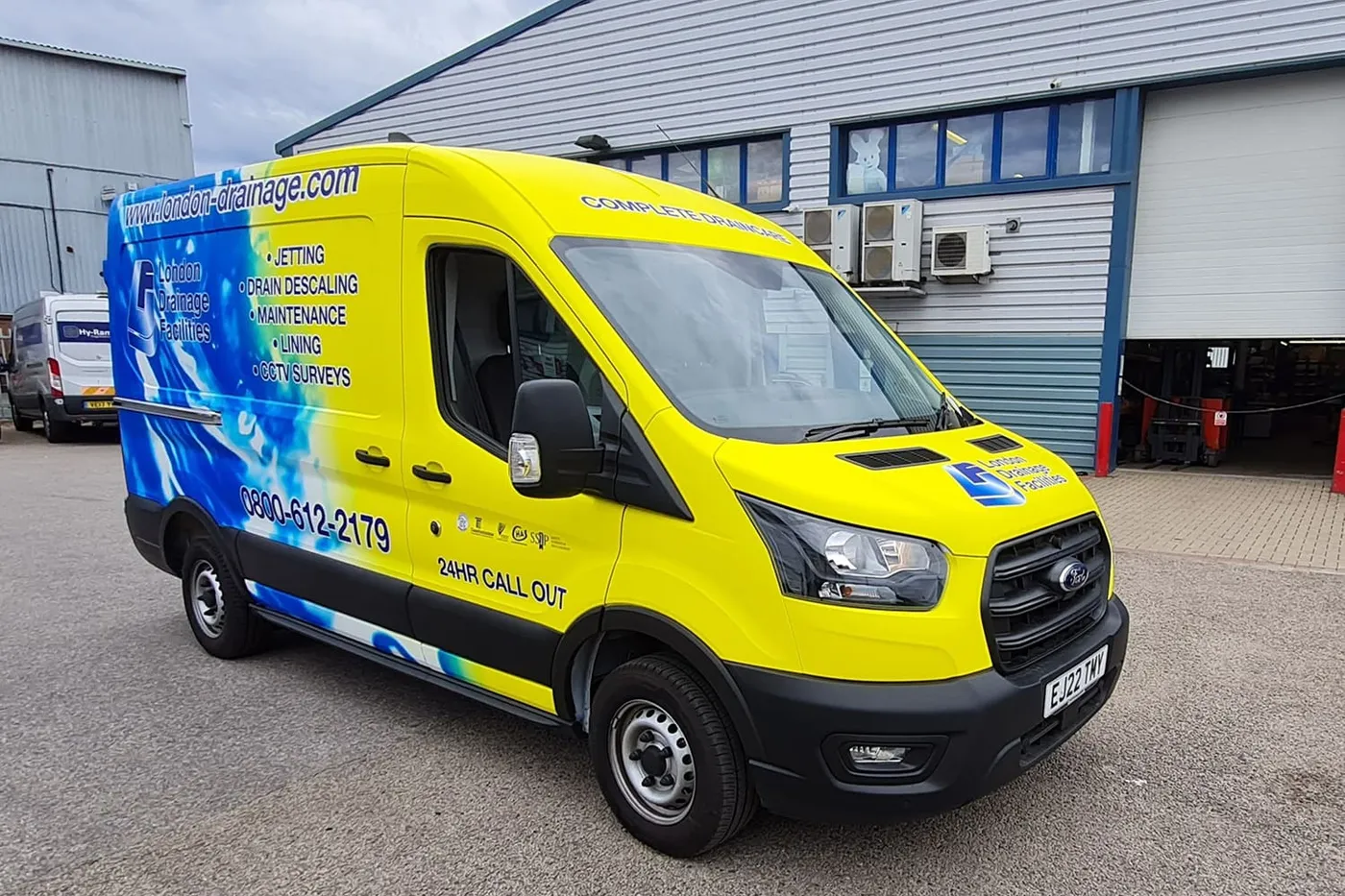
Selecting a London drainage contractor requires evaluating their diagnostic approach. This guide focuses on technical credibility, CCTV survey processes, and evidence-based reporting.
Core Selection Criteria: Diagnostic Methodology
The primary differentiator between a reactive clearance service and a permanent solution provider is their diagnostic methodology. We advise property managers to prioritise companies whose process begins with a comprehensive CCTV drain survey, not an assumption. A credible assessment requires visual evidence of the internal condition, defect locations, and material composition of your drainage system.
This procedural approach prevents misdiagnosis. A reported blockage may be a symptom, not the cause; the root issue could be a collapsed pipe, root ingress, or degraded seals several metres downstream. Engineers relying solely on jetting or rodding without a prior survey are essentially working blind, offering a temporary fix that often leads to repeat callouts.
The Importance of Documentation and Evidence
A professional drainage investigation is defined by its documentation. Upon completing a CCTV survey, you should receive a detailed report. This is not merely a confirmation of a blockage. It should include annotated still images from the camera, a condition grade for the pipe (according to industry coding standards), and clear footage showing the exact nature and location of any defects.
This documented evidence serves multiple critical purposes. For you, it provides transparency and a basis for informed decision-making on repair options. For our engineers, it forms the technical specification for any subsequent work, ensuring the correct method is applied to the precise problem. It also creates a historical record of your asset's condition, invaluable for future maintenance planning and compliance.
Evaluating Technical Capability and Specialisation
Beyond the initial survey, assess the company's range of remediation technologies. A diagnostically-led firm will match the solution to the problem identified on camera. Do they offer both high-pressure water jetting for soft blockages and structural solutions like patch lining or pipe bursting for damaged sections? This indicates a focus on correct, long-term outcomes rather than a one-tool approach.
Inquire about the equipment standard. Modern, high-resolution CCTV cameras with pan-and-tilt heads and locator transmitters are essential for accurate diagnosis. Similarly, ask about the engineers' qualifications. Technicians should be trained in both survey operation and the interpretation of findings against recognised industry codes of practice. Their expertise turns raw footage into a actionable engineering report.
The Consultation and Quotation Process
A technically credible company will structure its consultation around investigation. Be wary of fixed-price quotes offered over the phone for an unknown internal problem. A more professional process involves a site visit to discuss symptoms, followed by a proposal for a diagnostic survey. The findings of that survey then generate a precise, itemised quotation for any necessary remedial work.
This two-stage approach may seem more involved, but it is fundamentally more honest and cost-effective in the long term. It ensures you pay only for the work you actually need, based on verified evidence. The quotation should clearly separate the survey cost (which provides you with permanent documentation) from the remediation cost, giving you the option to proceed with repairs at a later date if preferred.
Final Considerations for London Properties
London's infrastructure adds specific complexities. Consider a provider's experience with older clay or cast-iron systems common in period properties, and their ability to navigate complex shared drains or sections under listed buildings. Their documentation should also address compliance, such as noting any potential issues with local water authority regulations regarding connections or repairs.
Ultimately, choosing a drainage company is an investment in data about your property. Prioritise those who provide a clear, evidence-based pathway from problem identification to verified solution, fully documented for your records. This technical discipline is the hallmark of a credible, long-term partner for drainage asset management.
Frequently asked questions
Why is a CCTV survey essential before any drain work?
A CCTV survey provides visual evidence and precise diagnosis. Without it, engineers are guessing at the cause and location of a problem, which often leads to temporary fixes, repeated blockages, and unnecessary cost. The survey report documents the exact condition, enabling a correct, long-term solution.
What should a professional CCTV drain survey report include?
A credible report includes clear, annotated still images highlighting defects, a condition grade for the pipe, access to the full survey footage, and a written summary identifying the problem's nature, location, and recommended remediation methods. It serves as your technical record of the asset's state.
How can I verify a drainage company's technical expertise?
Ask about their diagnostic process: do they always recommend a survey first? Inquire about their engineers' training in CCTV operation and defect coding. Review sample reports to assess their detail. A specialised, credible firm will openly discuss their methodology and equipment, grounding their recommendations in documented evidence.