How to Unblock a Drain Yourself vs. When to Call a Professional
We compare DIY drain clearing methods with professional diagnosis using CCTV surveys, detailing when a simple fix is sufficient and when expert intervention is critical.
The DIY Approach: Methods and Their Technical Limits
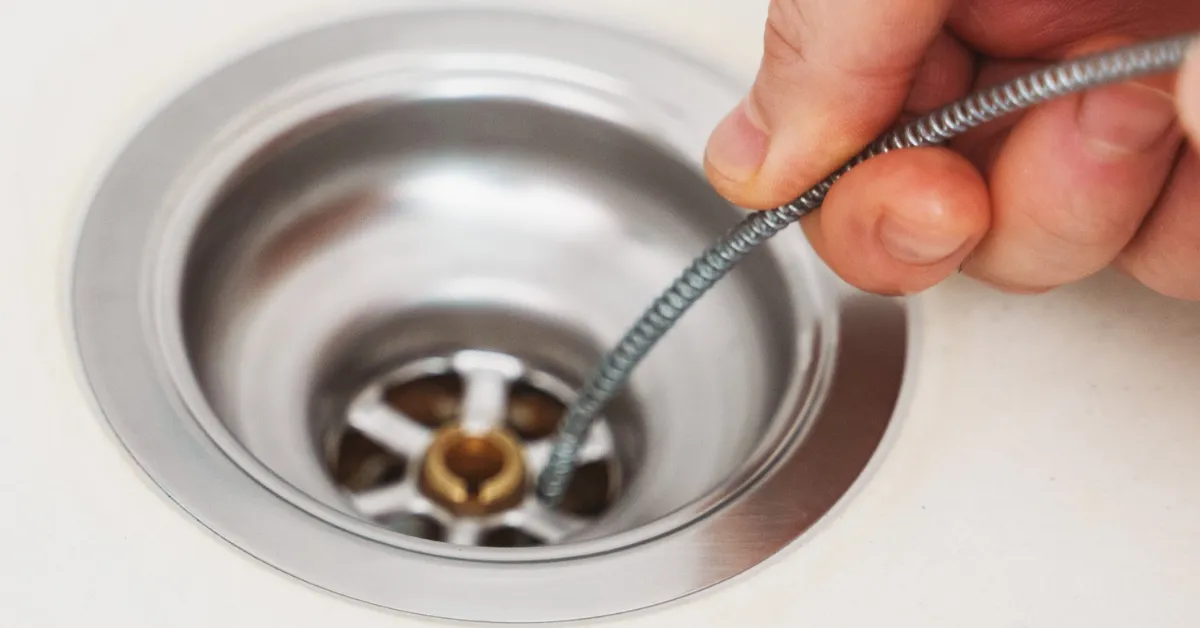
For minor, localised blockages—typically in a sink, shower, or bath—a cautious DIY approach can be effective. The first and safest step is always to try a plunger, creating a pressure differential to dislodge superficial obstructions like hair or small food particles. For accessible U-bends or trap assemblies under sinks, manual removal and cleaning can resolve the issue. Chemical drain cleaners are widely available but we advise extreme caution; they can damage older pipe seals and pose a safety risk, and they are ineffective against major or structural blockages.
These methods operate on a fundamental assumption: that the blockage is simple, recent, and located close to the access point. They are blind interventions. You have no visual confirmation of the obstruction's nature, size, or location deeper in the system. Success with a plunger or a hand-cleaned trap does not guarantee the downstream pipework is clear. DIY solutions treat the symptom at the point of discharge, not the underlying cause within the drainage line itself.
The Professional Process: Diagnosis Before Intervention
Our engineers operate on a principle of diagnosis-led remediation. The core tool for this is a high-resolution CCTV drain survey. This procedural investigation is the critical differentiator between guessing and knowing. A flexible, waterproof camera is fed into the drainage system, providing real-time, recorded footage of the internal condition of the pipes.
The survey visually identifies the exact location, composition, and scale of a blockage—whether it is solidified fat, root ingress, collapsed pipework, or a displaced joint. It also assesses the pipe's structural integrity. This documented evidence dictates the correct remedy. For a soft blockage, a high-pressure water jetting unit might be deployed, its pressure and nozzle type selected based on the CCTV findings. For a structural issue or a hardened obstruction, mechanical extraction or sectional repair becomes the necessary solution. Every action is informed by prior visual evidence.
When to Transition from DIY to Professional Help
You should cease DIY attempts and contact a professional drainage company when you encounter specific, diagnosable failure indicators. These are evidence of a problem beyond a simple plug. Multiple fixtures backing up simultaneously point to a blockage in the main shared branch or sewer line. Repeated blockages at the same location suggest a recurring issue like root growth or pipe deformation. The emergence of foul odours or sewage from low-level drains indicates a significant system backup.
Furthermore, if any DIY method fails to restore normal flow after a reasonable attempt, continued chemical or mechanical force risks damaging the pipes. The moment you suspect the problem is not in the visible trap but deeper in the system, you move into the domain where a CCTV survey is required. Attempting to clear a deep, unknown obstruction blindly is inefficient and can exacerbate the situation, potentially compacting material or pushing it further into a compromised section of pipe.
The Value of Documented Evidence
The definitive output of a professional diagnostic approach is a survey report. This document, often including timestamped video clips and photographic stills, provides a factual record of your drainage system's condition. It proves the nature of the blockage and the justification for the chosen clearance method. This record is invaluable for property transactions, insurance claims, or planning future preventative maintenance. It transforms the service from a temporary fix into a managed asset intervention, providing clarity and certainty that no DIY method can offer.
Frequently asked questions
What does a CCTV drain survey actually show you?
A CCTV survey provides real-time video evidence of the internal state of your drains. It precisely locates blockages, identifies their material (fat, roots, debris), and reveals any structural defects like cracks, fractures, collapsed sections, or displaced joints. This visual diagnosis is essential for determining the correct, targeted solution.
Can using a plunger or chemicals damage my pipes?
A plunger is generally safe for occasional use on robust modern pipes. Chemical cleaners, however, can corrode older metal pipes and degrade plastic pipe seals over time, potentially leading to leaks. Their heat-generating reactions can also stress and crack porcelain fixtures. More critically, if the blockage is structural, these methods are ineffective and delay a proper diagnosis.
How do I know if my blockage is in the main sewer line?
Key indicators of a main line blockage include wastewater backing up into multiple fixtures (e.g., toilet, bath, and basement drain) when used, gurgling sounds from multiple drains, or sewage emerging from an inspection chamber or low-level drain. These symptoms require professional investigation with a CCTV camera to trace the problem to its source in the external drainage run.