Cracked or Collapsed Manhole Covers: Diagnosis, Dangers & Documentation
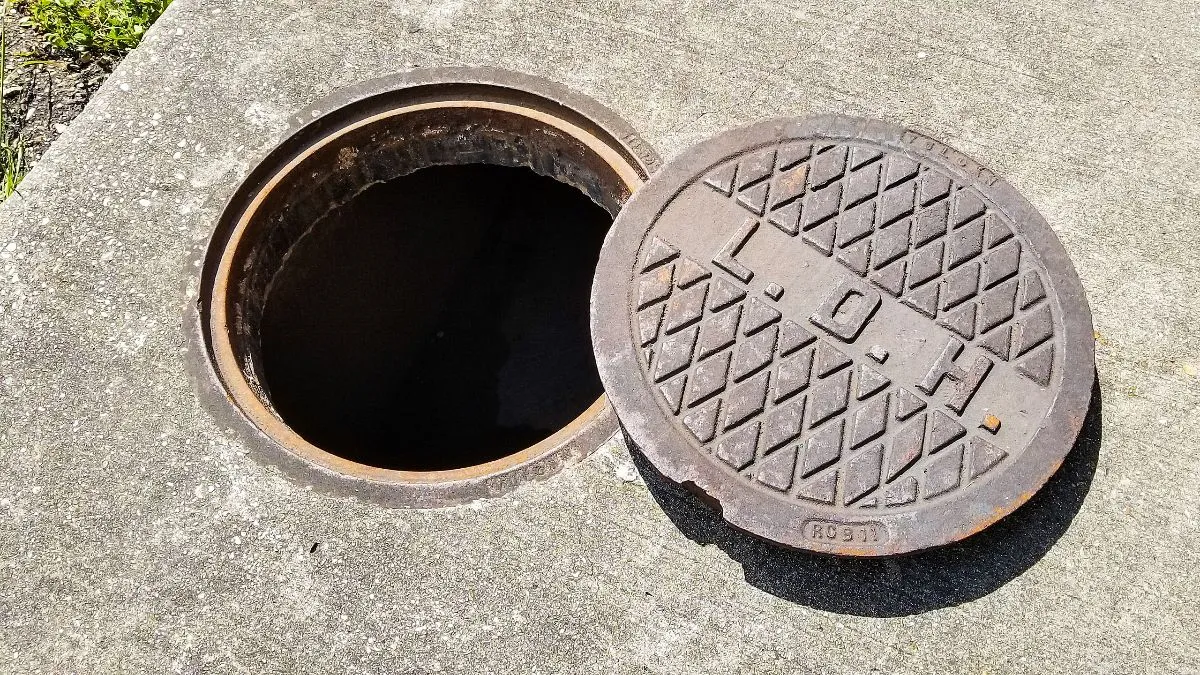
A cracked or collapsed manhole cover is a critical warning sign requiring immediate action. We explain the procedural response, from hazard management to comprehensive CCTV diagnosis.
Initial Hazard Assessment and Immediate Actions
Discovering a cracked or collapsed manhole cover constitutes an immediate safety and infrastructure hazard. The primary action is to establish a safe perimeter. We advise using visible barriers or warning tape to cordon off the area, preventing pedestrian or vehicular access. A compromised cover can fail completely under minimal load, posing a significant risk of injury or vehicle damage. Do not attempt to lift or move the cover yourself; underlying structures may be unstable, and the cover itself is heavy and may fracture further. The priority is to secure the site and contact drainage specialists who can conduct a controlled, professional assessment.
The Diagnostic Procedure: From Visual Inspection to CCTV Survey
Our engineers begin with a detailed visual inspection, documenting the crack pattern, any visible subsidence around the frame, and the condition of the surrounding paving. This initial documentation is crucial. However, the visible damage is often just a symptom. The definitive diagnostic tool is a closed-circuit television (CCTV) survey. We lower a high-resolution, remotely operated camera into the chamber and connecting pipework to inspect the integrity of the brickwork or concrete, identify any collapses within the chamber itself, check for root ingress through cracks, and assess the condition of the benching and channels. This internal visual evidence is what separates a guess from a precise, actionable diagnosis.
The CCTV footage provides a clear record of the underlying cause. Common findings linked to cover failure include partial chamber collapse due to degraded mortar, significant structural cracks in the chamber walls allowing soil infiltration, or severe root intrusion that has displaced the foundation. Without this internal view, any remediation is a temporary fix. The survey allows us to determine if a simple cover replacement is sufficient or if a more extensive repair, such as chamber re-lining or reconstruction, is structurally necessary.
The Critical Importance of a Formal Survey Report
Following the CCTV survey, we compile a formal report. This document is not merely a summary; it is the evidential foundation for all subsequent actions. It includes still images and video timestamps highlighting key defects, a schematic of the findings, and a detailed condition grading for each element of the chamber and connecting pipes. This report serves multiple essential purposes: it provides the factual basis for an accurate repair quote, acts as a historical record for property management, and can be vital for insurance claims, demonstrating that the issue was professionally diagnosed and documented.
Relying on a verbal assessment or a brief visual check is a procedural risk. The formal report translates the technical CCTV data into a clear, defensible record. It specifies whether the damage is localized to the cover and frame or if there is a systemic failure below ground. This distinction dictates the engineering solution, from a straightforward frame and cover reset to a planned, engineered chamber rehabilitation. We base our repair methodology directly on the documented evidence, ensuring the solution addresses the root cause, not just the visible symptom.
Repair Methodologies Based on Documented Evidence
The repair approach is determined solely by the evidence gathered in the diagnostic phase. For a cover cracked by an isolated impact on a sound chamber, replacement with a new, appropriately rated cover is the correct procedure. However, if the CCTV survey reveals a structurally compromised chamber, more advanced techniques are required. These may include chamber re-lining, where a resin-saturated felt liner is inserted and cured in place to form a new, structurally sound pipe within the old chamber, or, in cases of severe collapse, a full excavation and rebuild.
The decision between these methods is an engineering judgement based on the documented condition. We proceed only after the client has reviewed the survey report and understands the proposed solution's basis. This evidence-led approach ensures the integrity and longevity of the repair, restoring safe access and full functionality to the drainage system while providing a clear audit trail of the diagnosis and remediation process.
Frequently asked questions
Is a cracked manhole cover an emergency?
Yes, it should be treated as a potential emergency due to the immediate safety hazard. The primary step is to secure the area to prevent access and contact a drainage specialist for a professional assessment. The cover could collapse fully at any time, especially under weight.
Can you just replace the cracked cover?
Not without a prior CCTV survey. Simply replacing the cover without investigating the underlying chamber is a procedural error. The crack is often a symptom of subsidence or structural failure beneath. A new cover placed on a compromised frame or chamber will likely fail again quickly and does not address the root cause.
Why is a written CCTV report necessary?
The report provides the documented evidence required for an accurate, lasting repair. It details the exact condition of hidden infrastructure, informs the correct engineering solution, and serves as a vital record for property management, future maintenance, and potential insurance purposes. It is the foundational document for any substantive repair work.