Slow Draining Sink: Common Causes & Diagnostic Investigation
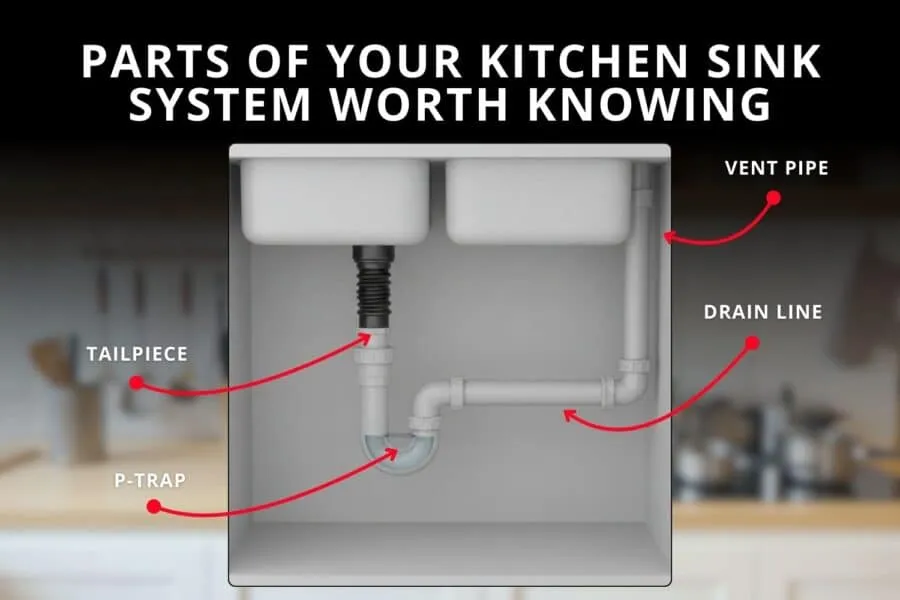
A slow-draining sink is often a symptom of an underlying blockage or fault. This guide details the common causes and the diagnostic process required to identify the precise issue.
Systematic Diagnosis of a Slow Drain
A persistently slow-draining sink is rarely a random occurrence; it is a measurable symptom of a developing restriction within the waste system. Our diagnostic approach treats this symptom as evidence, initiating a procedural investigation to locate and define the root cause. Relying on general assumptions can lead to temporary fixes. Instead, we focus on identifying the specific nature, location, and severity of the obstruction through documented evidence.
Common Culprits: From Localised Blockages to Systemic Issues
The most frequent cause is a localised accumulation within the sink's immediate pipework. Grease, fats, and soap scum congeal on pipe walls, gradually narrowing the internal diameter. In kitchen sinks, food debris and fibrous materials are common, while in bathrooms, hair and toothpaste residue are typical. A blockage in the U-bend (trap) is a common first point of investigation. However, the issue may be located further downstream in the horizontal branch pipe or even within the main soil stack, affecting multiple fixtures.
Less obvious causes include incorrect pipe fall (gradient), which impedes natural flow, or a partially collapsed pipe section. Ventilation problems within the system can also create airlocks that slow drainage. Each potential cause presents subtly different symptoms, but visual confirmation is required for a definitive diagnosis.
The Role of CCTV Survey in Precise Fault Identification
To move beyond speculation, a closed-circuit television (CCTV) drain survey is the definitive diagnostic tool. Our engineers deploy a flexible, push-rod camera with high-resolution lighting into the waste pipe via the sink's outlet. This provides real-time, recorded visual evidence of the pipe's internal condition.
The survey documents the exact location of grease build-up, the composition of a blockage (e.g., solidified fat versus root ingress), and the structural integrity of the pipe. We can measure the percentage of occlusion and pinpoint the problem to within a few centimetres. This evidence-led approach allows us to determine whether a high-pressure water jetting will suffice, or if a more targeted mechanical extraction or even a localised repair is necessary. The recorded footage serves as a permanent record, providing you with documented proof of the issue and the completed solution.
Attempting chemical solutions or indiscriminate plunging can often worsen a blockage or damage older pipes. A CCTV survey eliminates guesswork, transforming a complaint of 'a slow drain' into a precise, actionable report with a clear remediation path. This procedural methodology ensures the correct, most efficient solution is applied the first time, preventing recurrent issues and protecting the long-term health of your drainage system.
Frequently asked questions
Can a slow-draining sink indicate a problem beyond the immediate U-bend?
Absolutely. While the U-bend is a common site for blockages, slow drainage can signal an obstruction or restriction much further down the line in the branch pipe or main stack. It can also indicate issues with pipe fall or ventilation. A CCTV survey is the only method to visually trace the entire pipe run from the sink outlet to conclusively locate the fault.
Why is a CCTV survey better than using chemical drain cleaners?
Chemical cleaners are a non-diagnostic approach. They may offer a temporary fix for minor soft blockages but often fail against solid obstructions. More critically, they can corrode older pipes and worsen the situation by compacting debris. A CCTV survey provides visual evidence of the exact cause and location, allowing for a targeted, effective, and safe resolution without damaging your pipework.
What evidence do you provide from the diagnostic investigation?
We provide a full report supported by high-definition video footage and still images from the CCTV survey. This documentation clearly shows the internal condition of your pipe, the nature and precise location of any blockage or defect, and measurements of any restriction. This serves as proof of the problem and the basis for our recommended solution.