Winter Drain Problems: Identifying Frozen Pipes and Blockages
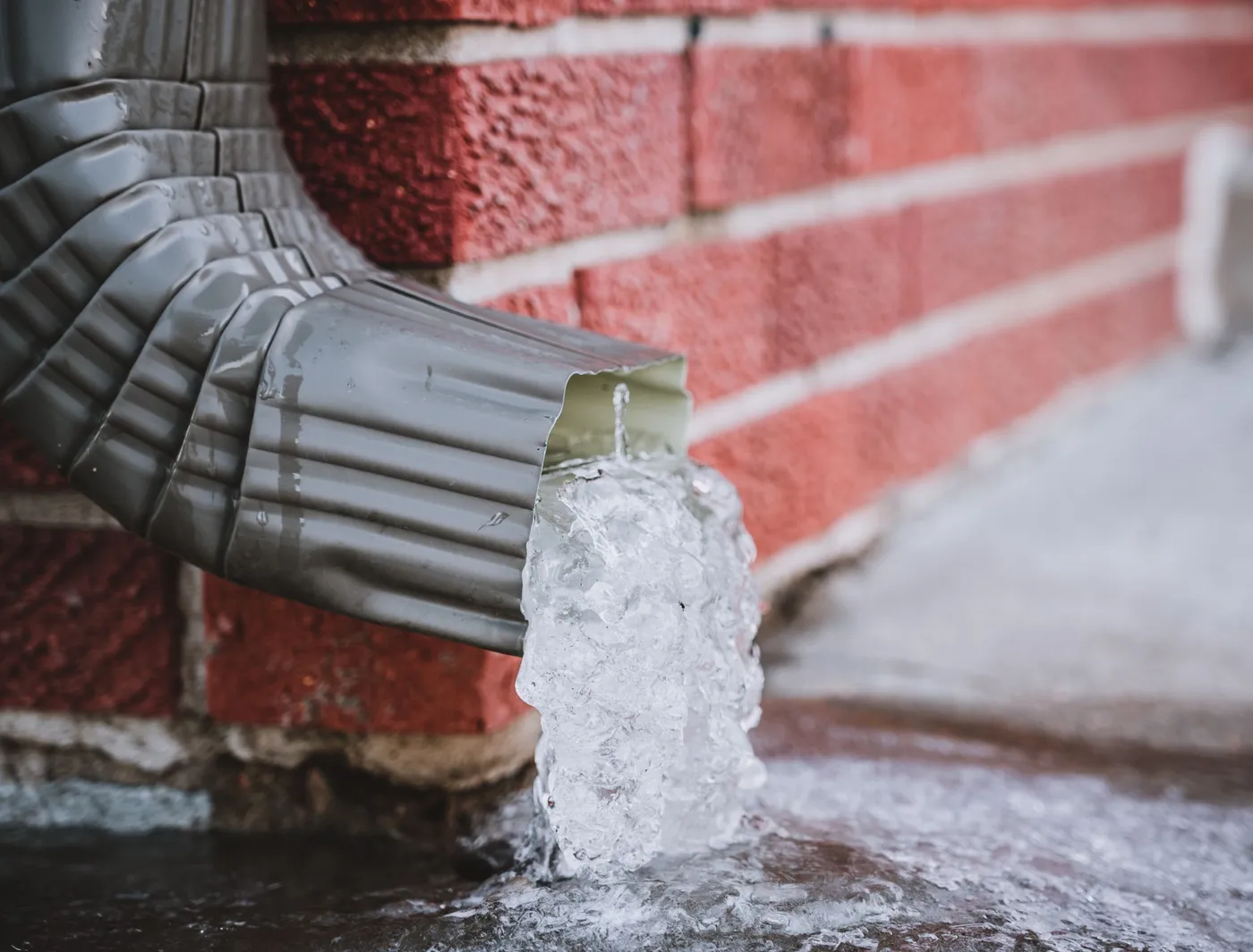
Winter presents distinct diagnostic challenges for drainage systems. We detail the procedural signs of frozen pipes and cold-weather blockages, and explain how a CCTV survey delivers definitive evidence for an accurate repair plan.
The Diagnostic Challenge of Winter Drainage
Winter transforms the operating environment of your drainage system, introducing specific failure modes that require precise identification. As engineers, our diagnostic approach shifts to account for thermal contraction, increased fat, oil, and grease (FOG) viscosity, and the risk of ice formation. A symptom-based assessment is insufficient; we must establish root cause through documented visual evidence to prevent misdiagnosis and unnecessary excavation.
Procedural Signs of a Frozen Pipe
A suspected frozen pipe requires a methodical verification process before any intervention. The primary indicator is a complete cessation of flow from a specific fixture or section, coinciding with sub-zero temperatures. However, this symptom alone is not conclusive. Our procedure begins with a trace, identifying the exposed or shallow sections of pipe most susceptible to freezing, such as those in unheated crawl spaces, near external walls, or under driveways.
We then employ a dual-method check. First, a non-invasive temperature assessment along the pipe's suspected path can identify cold spots. Second, and definitively, a CCTV survey is deployed. The camera provides visual confirmation of ice blockage, typically seen as a crystalline buildup narrowing or completely occluding the pipe bore. This documentation is critical, as it rules out a coincidental solid blockage and precisely maps the frozen section's length and location for targeted thawing.
Cold-Weather Blockages: Fatbergs and Shifting Debris
While freezing is a dramatic failure, winter more commonly exacerbates chronic blockage issues. The key diagnostic factor here is temperature's effect on FOG. In warmer weather, fats pour liquid but solidify as they cool in the pipes. In winter, these substances congeal much faster, accelerating fatberg formation. A CCTV survey in this scenario reveals stratified, layered deposits of white or yellow fatty material mixed with wipes and other solids, often concentrated near the outlet from kitchens or commercial premises.
Furthermore, thermal contraction of pipe joints can slightly misalign sections, creating a lip that catches passing debris that previously flowed freely. Ground frost heave can also cause subtle pipe movement, leading to partial collapses or root intrusion points becoming more pronounced. A high-resolution CCTV survey documents these structural changes, providing a before-and-after benchmark against summer surveys and pinpointing the exact joint or section compromised by seasonal movement.
The Imperative of CCTV Documentation
In all winter diagnoses, our process is led by the survey. Guessing at the cause based on season and symptom risks an incorrect and costly repair. The recorded CCTV footage serves as irrefutable evidence, allowing us to distinguish between a freeze, a FOG blockage, a structural shift, or a combination of factors. This evidence forms the basis of a targeted work plan—whether it involves high-pressure jetting to clear grease, safe pipe thawing protocols, or a planned repair for a shifted joint. The documentation also provides you with a clear visual understanding of the issue and the necessary solution, ensuring no work is undertaken without definitive cause.
Frequently asked questions
Can a CCTV survey definitively confirm frozen pipes?
Yes, it is the definitive diagnostic tool. While symptoms suggest freezing, only a CCTV camera provides visual evidence of ice formation within the pipe bore. This rules out other blockages and precisely maps the extent of the freeze for a targeted, safe thawing procedure.
Why do blockages seem worse in winter?
Lower temperatures significantly increase the viscosity and rate of solidification of fats, oils, and greases (FOG). What may have flowed partially in summer solidifies rapidly into a dense blockage. Additionally, thermal contraction can slightly shift pipes, creating edges that catch debris.
What does the survey documentation provide?
The recorded footage provides objective evidence of the problem's nature and location. This allows for an accurate, targeted repair plan, prevents unnecessary excavation, and gives you a visual record of the internal condition of your drains for future reference or warranty purposes.